
Equitable Access: What is Equitable Access? - Page 1
About
Equitable access occurs when states provide benefits in ways that make the program accessible to all workers, including those who are marginalized or experience administrative barriers to accessing Unemployment Insurance (UI) benefits.
Equitable Access Content:
- Equitable Access: What is Equitable Access? - Page 1
- Promising Recommendations to address Equitable Access - Page 2
- Promising Recommendations to address Equitable Access (Continued) - Page 3
- Equity Grants & Navigator Grants - Page 4
The Department describes equitable access as follows: Equitable access in the UI context means the consistent and systematic fair, just, and impartial treatment of all beneficiaries of, applicants to, and participants in the UI program. This includes providing all individuals with an equally effective and meaningful opportunity to apply for, receive, and maintain UI benefits and services, no matter their background, including but not limited to their race, color, religion, sex (including pregnancy, childbirth, and related medical conditions, sex stereotyping, transgender status, and gender identity), national origin (including limited English proficiency), age, disability, level of education, level of technology access or proficiency, socioeconomic status, or geographic location.
Equity touches all aspects of the UI program including backlogs, timeliness and accuracy of benefit payments, and fraud prevention, detection, and recovery activities.
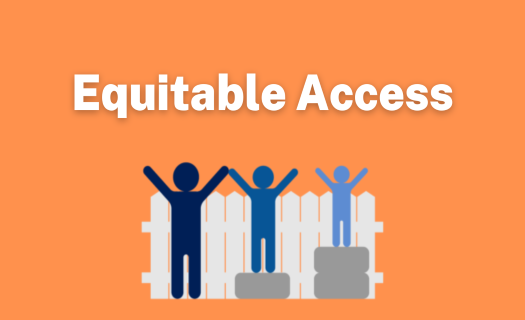
Equality is when all populations receive the same level of support or service, regardless of need. Equity is when all populations receive what support or service they need to succeed (access UI). Ideally, no barriers to service/benefits would exist.
Relevant Links:
Materials
Comments
Content Details
Topics:
Target Populations:
Programs:
Geographic Locations:
Industry Sectors:
- Last Updated:
- Created:
- Resource Publication Date: 2022
- Posted by: Katie Mehle
- Posted in: Short-Time Compensation